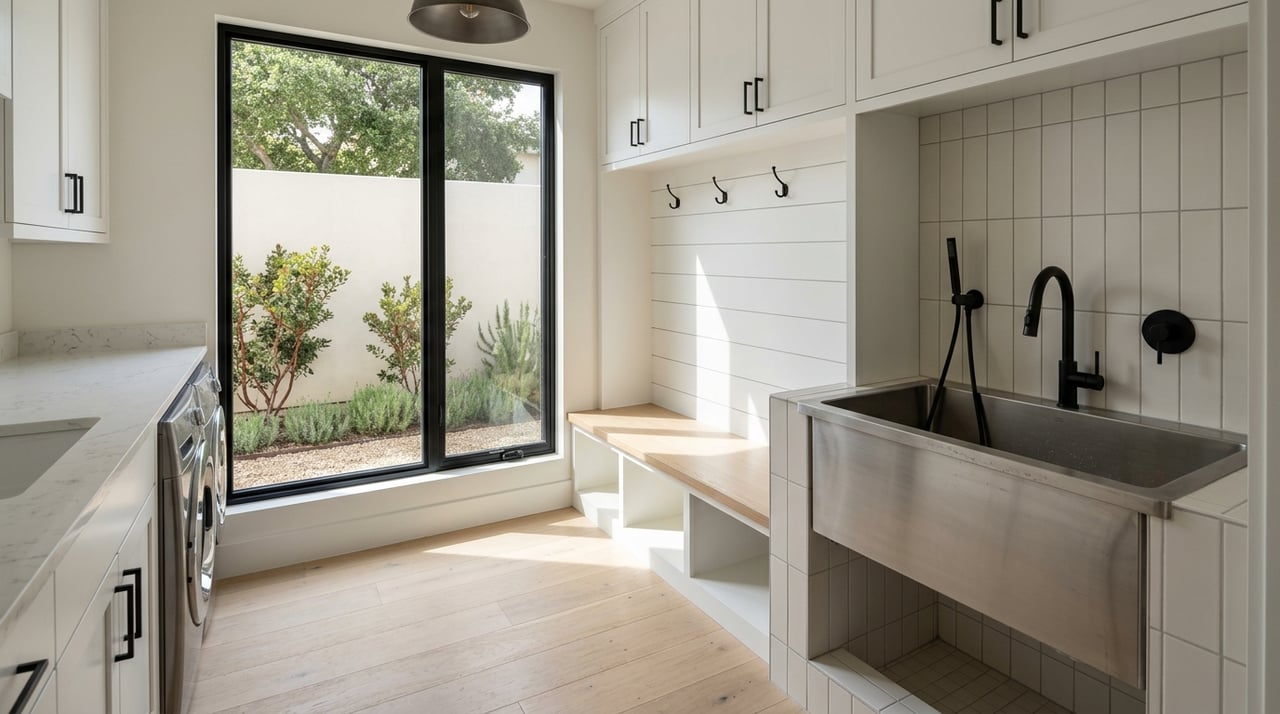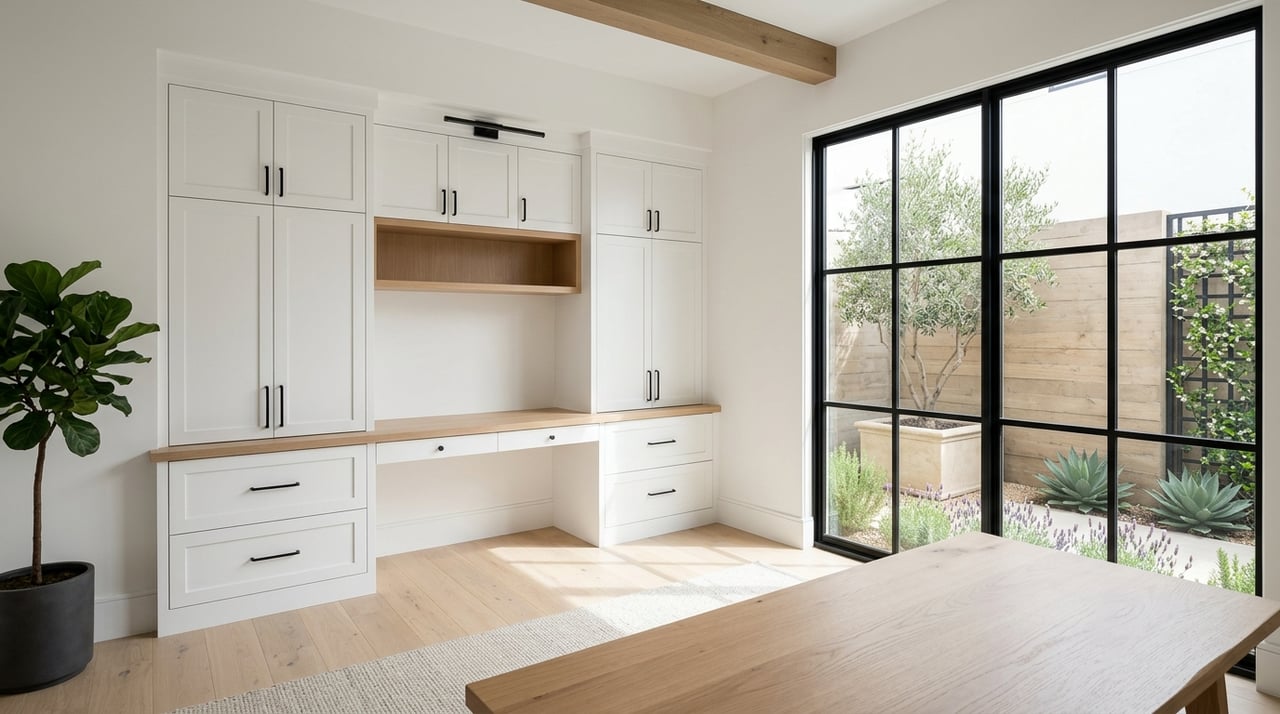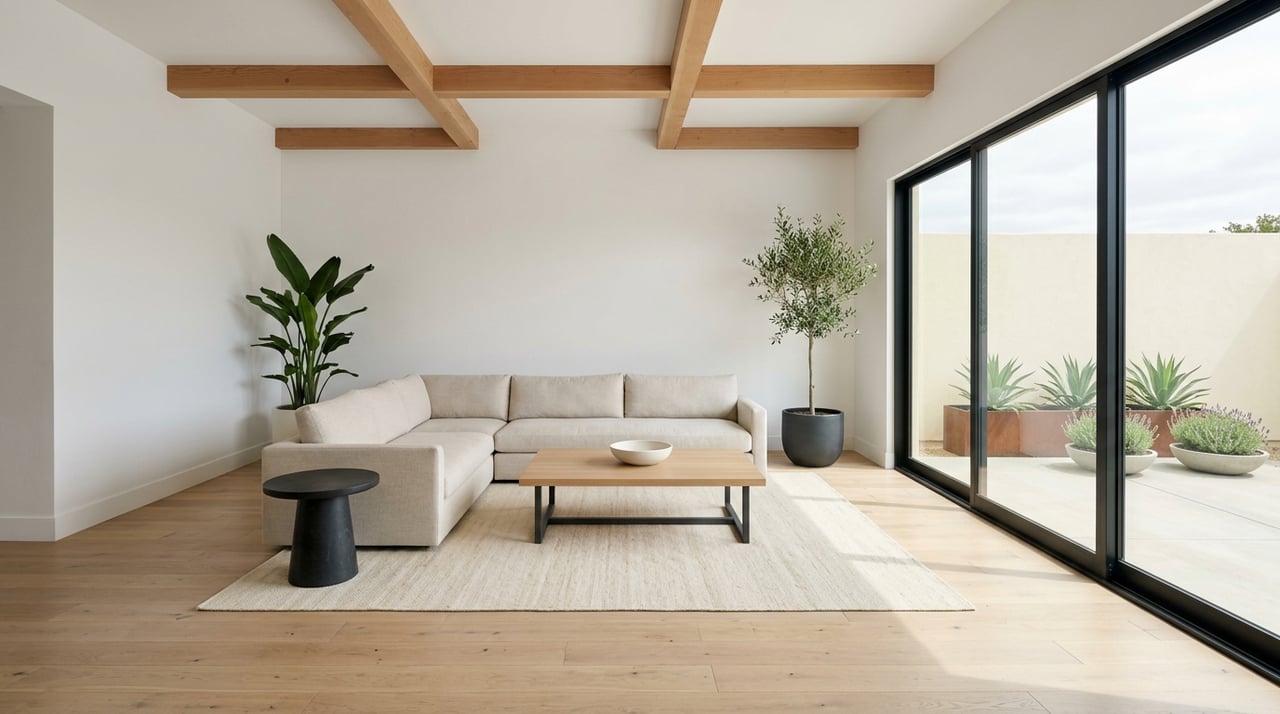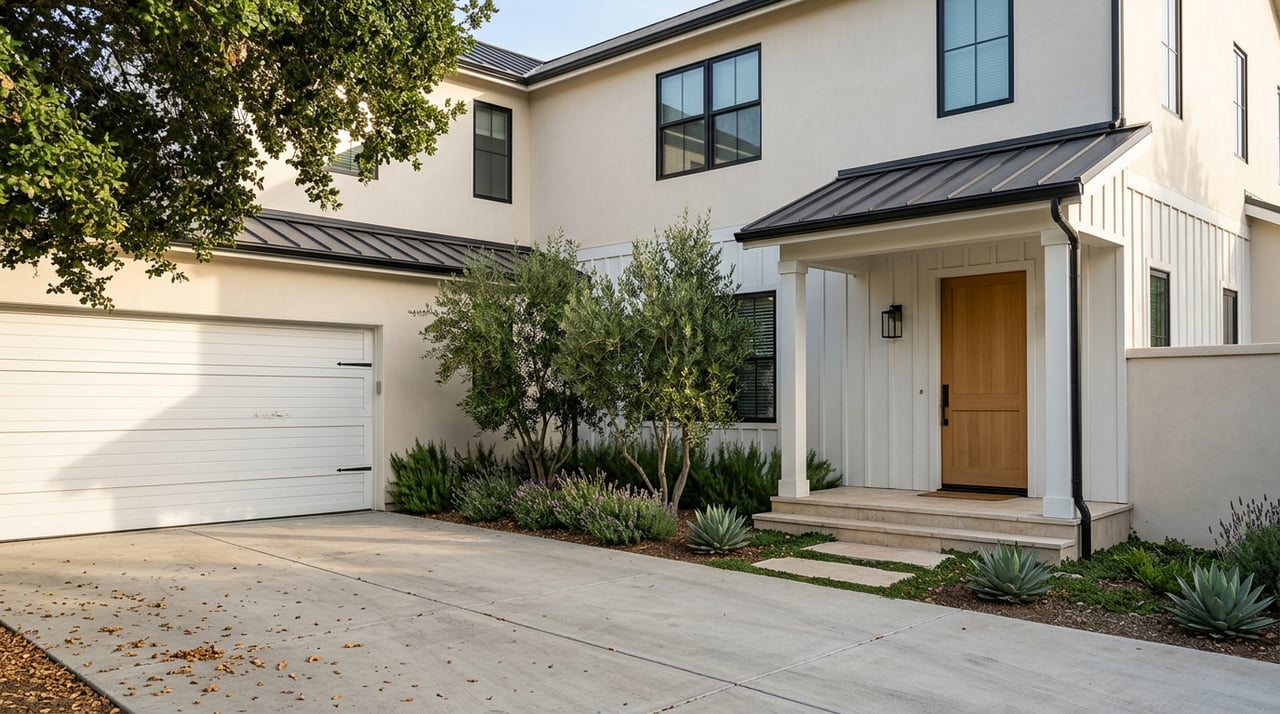
Trying to choose between a brand-new home and an older one in Calabasas? In this market, that decision is rarely as simple as “new is better” or “resale has more charm.” Calabasas has a limited housing supply, a mostly built-out footprint, and a lot of variation from one property to the next. If you are weighing both options, this guide will help you compare what really matters, from condition and design to lot usability, HOA structure, and long-term upkeep. Let’s dive in.
Why the choice feels different in Calabasas
Calabasas is not a market with endless new subdivisions competing side by side with older neighborhoods. The city has about 9,200 housing units, and more than three-quarters are single-family homes. It is also a largely hillside community, which shapes everything from home design to grading, views, and site planning.
That context matters because most Calabasas housing is not new. The city’s 2024 hazard-mitigation plan reports that 90.1% of structures were built before 2000, and 36.4% were built before 1980. So when you compare new construction and resale homes here, you are often comparing a limited number of newer opportunities against a much broader, more varied resale market.
Pricing also keeps the conversation in a higher bracket. Redfin reported a median sale price of $1.8 million for the three months ending May 2026, and Census data shows a 2020 to 2024 median owner-occupied value of $1,504,500. That means even small differences in repairs, lot features, and HOA obligations can have a meaningful financial impact.
New construction in Calabasas
New supply is limited
If you are hoping for a wide menu of brand-new homes, Calabasas may feel tight. City documents describe the community as largely built out, with most residential development taking the form of small infill projects instead of large new subdivisions.
A current single-family example is West Village at Calabasas, a 70-home project on a 77-acre site. Planned homes range from 2,596 to 3,077 square feet, and the project includes about 63.89 acres of permanent open space. Another active project, the Avalon Calabasas expansion, adds 135 units to an existing apartment complex, which reinforces the city’s pattern of redevelopment and infill over broad greenfield growth.
What newer homes may offer
The biggest appeal of new construction is usually the systems behind the walls. Calabasas follows the California Residential Code, and the city’s green-building materials emphasize energy efficiency, water efficiency, materials efficiency, efficient site planning, and sustainable building practices.
For you as a buyer, that often translates to newer roofs, windows, HVAC systems, appliances, and building components. Newer homes are generally designed for comfort, efficiency, and durability, which may help reduce near-term maintenance needs and improve day-to-day living.
Design still reflects the setting
Even new homes in Calabasas are shaped by the land around them. The city’s general plan notes that neighborhoods show a wide variety of design themes, while newer hillside development often reflects Spanish-style influence with earth-toned rooflines that blend into the landscape.
The city also applies scenic-corridor and ridgeline standards in visible hillside areas. In practical terms, that can affect design choices, grading, rooflines, and how a home sits on the lot. So even when a home is brand new, the site itself may still be a major part of the decision.
One thing to ask early
If you are buying a home that is not yet complete, make sure you understand the deposit structure. Builders may request an upfront deposit, so it is smart to ask when that deposit is refundable and how the completion timeline is handled.
That question matters even more in a market like Calabasas, where new inventory is limited and buyers may feel pressure to commit quickly. A clear timeline and deposit policy can help you compare opportunities with more confidence.
Resale homes in Calabasas
Resale offers more variety
If your priority is choice, resale usually gives you more to work with. Calabasas has a broad mix of architectural styles and neighborhood character, and the city’s planning documents note that different areas display a range of design themes.
In practice, resale inventory can include ranch homes, traditional homes, custom estates, and properties that have been heavily renovated over time. The city’s historic context also notes that some mid-century ranch homes remain, though many older homes have been substantially altered.
Lot size can vary widely
One of the biggest advantages of resale is that parcels are highly varied. Recent examples in Calabasas listings have ranged from a 2,291-square-foot home on a 6,294-square-foot lot, to another established home on a 7,222-square-foot lot, to a hillside property on 1.69 acres, and even a new-construction estate listing on 4.42 acres.
That range is important if you care about outdoor space, privacy, slope, usable yard area, or future improvements. It also shows why shoppers in Calabasas often need to look beyond bedroom count and price per square foot. The right lot can be just as important as the house itself.
Maintenance is usually a bigger factor
Older homes often come with more upkeep. Homeownership always includes maintenance and repairs, but older properties may need more immediate attention, especially if major systems have not been updated.
DOE notes that older homes were built before modern efficiency standards and often benefit from upgrades. Calabasas’ 2024 hazard plan also says older structures that have not been retrofitted can be more vulnerable because earlier building codes were less stringent.
Hillside conditions matter
In Calabasas, the site can be as important as the structure. The city’s development-review standards address grading, landscape treatment, slope maintenance, and hazards in hillside areas, so your decision should include more than the home’s interior finishes.
For resale homes in particular, it is wise to look closely at drainage, retaining elements, lot usability, and general site maintenance. A beautifully updated house can still come with hillside considerations that affect future costs and planning.
HOA rules can change the comparison
HOA structure is a major variable in Calabasas. The city’s HOA contact list includes communities such as Calabasas Park Estates, Calabasas Country Estates, Calabasas Hills, Calabasas Park, Bellagio, Braewood, and The Oaks of Calabasas.
The city also manages five landscape districts with more than 20 assessment zones, many represented by individual HOAs. That means two homes with similar square footage may come with very different dues, rules, shared-area responsibilities, gate access, and architectural approval standards.
Before you focus too much on price per square foot, compare:
- HOA dues
- Common-area maintenance responsibilities
- Gate or access rules
- Landscaping obligations
- Exterior or design approval requirements
- Assessment-zone considerations
For many buyers, these details end up influencing lifestyle and long-term cost as much as the age of the home.
New construction vs resale at a glance
| Factor | New Construction | Resale Home |
|---|---|---|
| Inventory | More limited in Calabasas | Broader selection |
| Condition | New systems and current-code construction | Varies widely by age and updates |
| Efficiency | Typically stronger from the start | May need upgrades |
| Style | More consistent within each project | Wider architectural range |
| Lot variety | Depends on the project and site plan | Often more varied |
| Maintenance | Usually fewer immediate repairs | Often higher near-term maintenance |
| HOA review | Important to review | Equally important to review |
| Hillside concerns | Still relevant depending on location | Often a major factor |
Which option may fit you better?
New construction may fit if you want simplicity
If you prefer a more turnkey experience, new construction may be the better match. Many buyers like the idea of current-code systems, lower immediate repair risk, and built-in efficiency features.
This option can make sense if you want a home that feels move-in ready from day one. It may also suit you if you prefer fewer early maintenance projects and a more predictable first few years of ownership.
Resale may fit if you want flexibility
Resale often makes more sense if you value architectural variety, mature landscaping, or a parcel with different long-term possibilities. In Calabasas, many single-family lots may allow ADUs, and the city offers pre-approved ADU plans.
That does not mean every resale home is automatically the better land play. It does mean that older inventory may offer more variation in lot shape, size, and future use potential than a typical new-home release.
A smart Calabasas buyer checklist
No matter which path you prefer, a few checks can help you make a stronger decision.
Compare the lot, not just the house
In Calabasas, lot usability can be a deal-maker or deal-breaker. Pay attention to slope, outdoor living potential, scenic-corridor or ridgeline exposure, and whether the site will require added maintenance or improvements.
Read HOA documents carefully
Do not assume one gated or planned community works like another. Review dues, approval rules, common-area standards, and any special assessments or district-related costs before you decide.
Budget for inspections and reserves
This matters most for older or hillside homes, but it is smart for any purchase. Build room in your budget for inspections, repairs, retrofits, or site work, especially if the property has age-related issues or more complex terrain.
Keep your priorities honest
The real choice in Calabasas is usually not simply new versus old. It is whether you value turnkey efficiency and newer systems more, or whether you prefer established character, more varied parcels, and the flexibility that can come with resale inventory.
When you match the property to the way you actually want to live, the decision becomes much clearer. If you want help weighing Calabasas new construction against resale options, Sean Curts & associates can help you compare the details that matter most and move forward with confidence.
FAQs
What is the main difference between new construction and resale homes in Calabasas?
- New construction usually offers newer systems, current-code construction, and fewer immediate repairs, while resale homes usually offer more architectural variety, lot variation, and neighborhood choice.
Are there many new construction homes available in Calabasas?
- No. Calabasas is a largely built-out city, and official planning documents say most new residential development is small infill rather than large new subdivisions.
Do older Calabasas homes usually need more maintenance?
- Yes. Older homes often require more upkeep, and many were built before modern efficiency standards or more stringent building codes, which can increase the need for upgrades or retrofits.
Why do HOA rules matter so much in Calabasas home searches?
- Many Calabasas communities have HOA or assessment-zone structures, so dues, landscaping rules, gate access, common-area responsibilities, and architectural approvals can vary significantly from one property to another.
Should lot conditions affect how I compare Calabasas homes?
- Yes. In Calabasas, hillside grading, slope maintenance, lot usability, and scenic-corridor or ridgeline considerations can be just as important as the age or style of the home.