Thinking about holding a rental in Calabasas for the long run? The numbers can look attractive at first glance, but this is a market where strong rents often come with equally serious costs, rules, and planning decisions. If you want to buy, convert, or keep a property as a long-term rental, this guide will help you understand the basics that matter most in Calabasas. Let’s dive in.
Calabasas Rental Market Snapshot
Calabasas is shaped first by its housing mix. According to the city’s housing element, about 74% of the housing stock is single-family, about 25% is multi-family, and about 1% is mobile homes. That matters because long-term investors here are usually evaluating detached homes, attached units, and in some cases accessory dwelling units rather than large apartment inventory.
The city also notes that multi-family rental housing makes up about 23% of the housing stock and is concentrated in a few larger communities, including Malibu Canyon and Avalon Calabasas. For you as an investor, that means rental opportunities are not spread evenly across every property type or area. Supply can be more limited and more property-specific than in a denser rental market.
Calabasas land use rules also allow different housing types in different districts, including single-family homes, ADUs, multi-family housing, manufactured housing, and some senior housing forms. If you are comparing investment options, it is important to look at what the property is legally allowed to be used for, not just what seems rentable in practice.
Why Long-Term Rentals Matter Here
In Calabasas, long-term strategy is not optional. The city prohibits short-term rentals under 30 days, except for lawfully approved hotels, motels, and bed-and-breakfast inns. That means your underwriting should center on stable tenancy, lease structure, renewal planning, and lower turnover rather than vacation-rental income assumptions.
This rule also makes property selection more important. A home that looks appealing for short stays may not pencil the same way as a full-time rental if your returns depend on monthly rent, reserves, and controlled operating costs. In Calabasas, the long-term model is the model.
Who Typically Rents in Calabasas
Calabasas tends to attract households looking for stability, space, and longer-term housing needs. Census QuickFacts show a population of 22,256, an owner-occupied housing rate of 69.3%, a median gross rent of $3,070, and a median household income of $157,938. The same source reports that 71.3% of adults have a bachelor’s degree or higher.
The city’s demographic profile also points to a family-heavy housing pattern. It reports that 46.3% of occupied units have four or more bedrooms, 56.7% are married-couple family households, and the average family size is 3.07. For investors, that suggests demand may often come from higher-income households, families, and relocating professionals seeking a home that works well for everyday living.
That does not guarantee every large home will perform well as a rental. It does mean that layout, functionality, condition, and lease quality may matter more than flashy features alone. In many cases, renters in this market are choosing a home for how it fits their routine, not for short-term convenience.
Property Types to Consider
Single-Family Homes
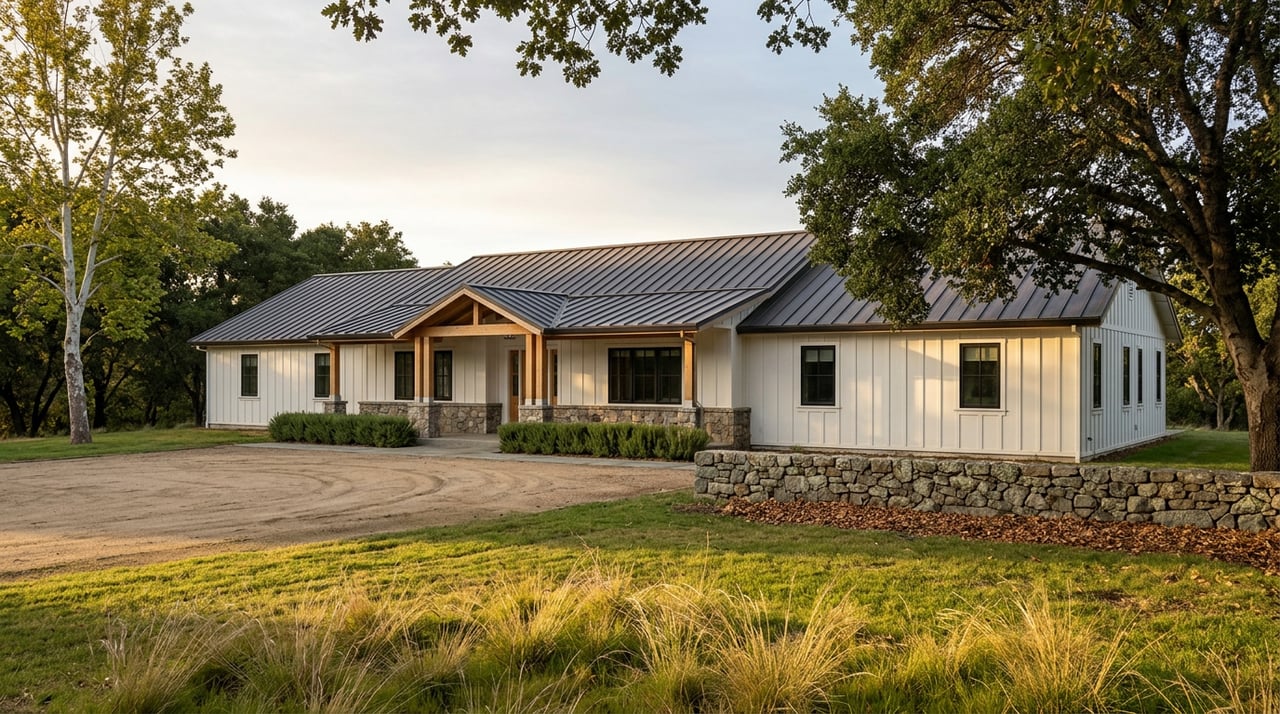
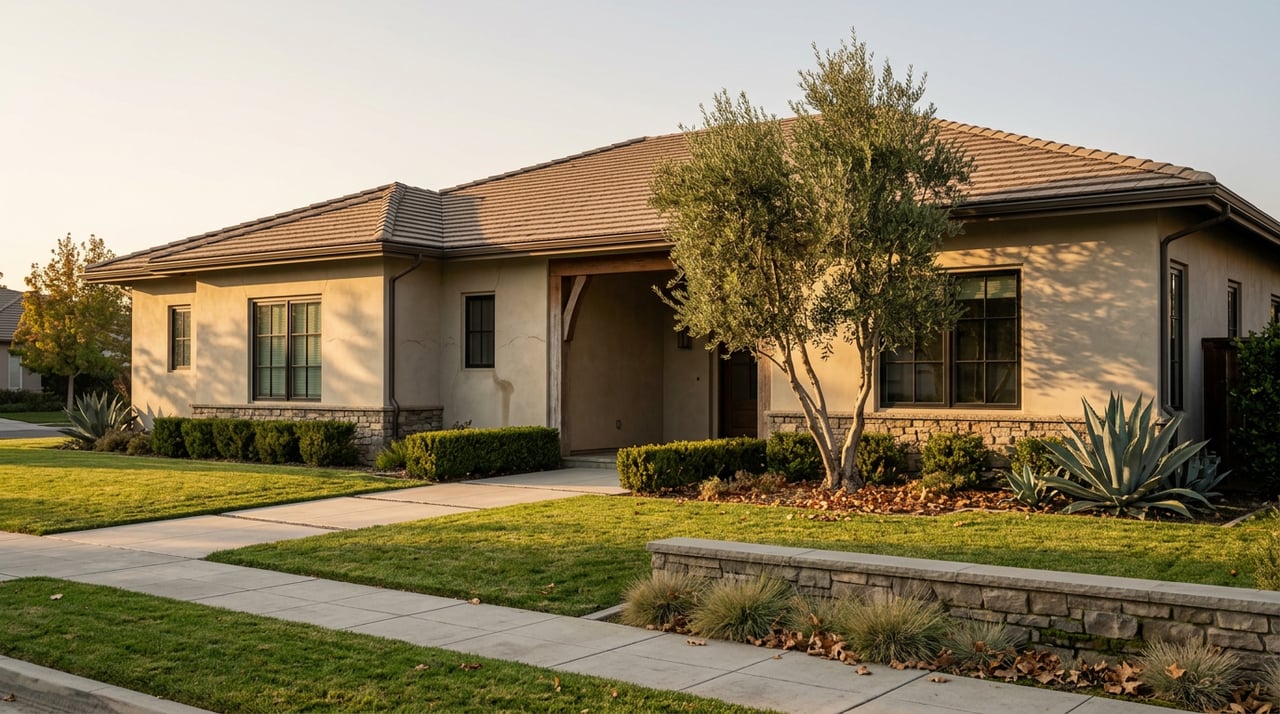
Because Calabasas is dominated by single-family housing, detached homes are often the most visible long-term rental option. These properties may appeal to renters who want more privacy, outdoor space, or larger floor plans. They can also bring higher carrying costs, which means your margin may narrow quickly if taxes, insurance, or maintenance rise.
Multi-Family Units
Multi-family housing represents a smaller share of the city’s total housing stock, but it remains an important part of the rental picture. If you are considering a condo, townhome, or apartment-style unit, compare not only rent potential but also ongoing expenses and any applicable city reporting requirements.
Accessory Dwelling Units
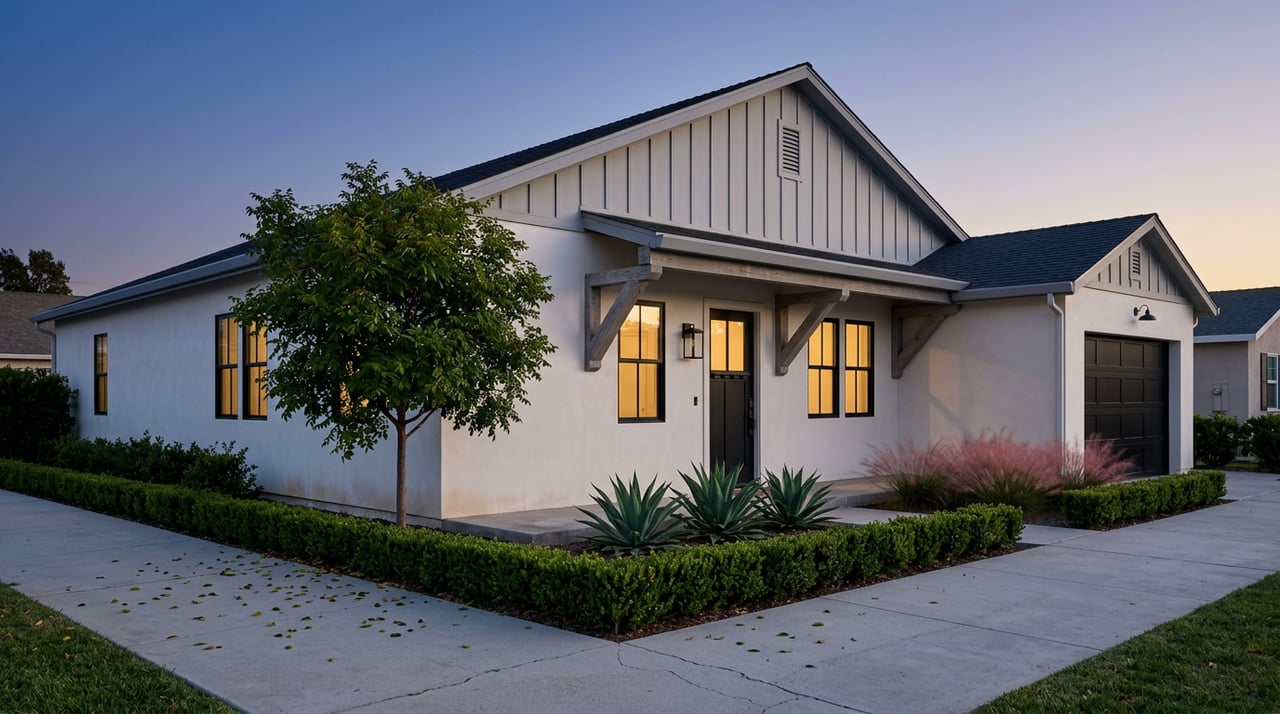
ADUs can be part of a long-term rental strategy in Calabasas. The city code allows ADUs to be rented, but not for short-term occupancy of less than 30 days. If you are evaluating a home with an ADU, confirm the unit’s legal status and think carefully about how it fits your long-term income and management goals.
Costs That Can Change Your Cash Flow
Headline rent is only part of the story in Calabasas. Recent Census QuickFacts report a median owner-occupied home value of $1,453,900 and a median gross rent of $3,070. That gap is a reminder that this can be a high-cost market to own in, even when rents are substantial.
Before you commit to a rental strategy, build your numbers around the expenses that can materially affect monthly performance.
Property Taxes
Los Angeles County mails annual secured property tax bills by November 1. Installments are due November 1 and February 1, with delinquency dates of December 10 and April 10. The county states that the bill includes the general tax levy, voted indebtedness, and direct assessments.
California’s Proposition 13 framework limits the base ad valorem property tax rate to 1% of assessed value, plus voter-approved charges. But if you buy a property or complete new construction, supplemental tax bills may follow. If you are converting a recently purchased or improved home into a rental, verify how reassessment or supplemental assessments may affect your true carrying cost.
Insurance
Insurance deserves especially close attention in Calabasas. The city says the latest Fire Hazard Severity Zone map for Calabasas was published on March 24, 2025, and it explains that properties in high or very high zones may be subject to California Building Code Chapter 7A and defensible-space requirements. The city’s general plan also states that all parts of Calabasas are mapped within a CAL FIRE-designated very high fire hazard severity zone.
That can influence both availability and cost of coverage. The California Department of Insurance says the FAIR Plan is available when standard coverage is unavailable, and wildfire-hardening may qualify some policyholders for discounts. For investors, this is not a side note. It is a major line item that should be stress-tested early.
Maintenance and Reserves
Calabasas also has an older housing component that can affect upkeep. The city says nearly three-fourths of the housing stock is more than 30 years old. Older homes may need more attention to roofing, plumbing, and other systems, which makes reserve planning especially important.
If you are renting out a house or duplex, your lease should also clearly assign responsibility for utilities and yard care. Clear operating expectations can reduce friction and help protect your margins over time.
Property Management
Management is another expense to factor in from the start. The state tenant guide notes that landlords often retain a rental agent or property manager. Even if you plan to self-manage, it helps to model management as a real cost so your investment still makes sense if your time, distance, or portfolio size changes.
California Rules That Matter in Calabasas
For many long-term rental owners, statewide tenant rules will shape the investment just as much as local market conditions.
AB 1482 Rent Cap Basics
According to the California Attorney General, covered units generally cannot have rent increases above 5% plus CPI or 10%, whichever is lower, in any 12-month period. Landlords generally cannot raise rent more than twice in a 12-month period. That matters when you are projecting annual rent growth and trying to understand how quickly you can respond to rising expenses.
The California Department of Real Estate also states that landlords may still set the initial rent at market rate when a unit turns over. It further explains that just-cause protections generally apply after 12 months of tenancy, or after 24 months if an additional adult was added before the first 12 months ended.
AB 1482 Exemptions
Not every rental is covered the same way. The DRE guide lists exemptions that may include some government-subsidized housing, affordable-restricted units, dorms, housing subject to a stricter local rent stabilization law, housing less than 15 years old, owner-occupied duplexes, and some single-family homes or condos owned by a natural person or qualifying LLC when proper written exemption notice is given.
If you are turning a house into a rental, the exemption analysis matters. Ownership structure and required tenant notice can affect whether AB 1482 applies. This is one of the areas where careful upfront review can prevent expensive mistakes later.
Security Deposit Rules
Security deposit rules changed in 2024. The DRE guide says most landlords are now limited to one month’s rent as a security deposit. Small landlords, defined as individuals or qualifying LLCs that own and rent one or two properties containing no more than four rental units, may still charge up to two months’ rent.
California also treats pet, key, and cleaning fees as part of the security deposit. In general, landlords have 21 days after move-out to return the deposit or provide an itemized accounting. If you are estimating turnover cash needs, this is important to understand.
Local Registration Requirement to Know
Calabasas also has a rental registration program on the city’s housing page. Owners of four or more residential rental housing units must register units with the city and report the latest rent for each unit and rent increases over 5%.
If you own a single rental home, this may not be your biggest regulatory issue. But if you are building a larger portfolio, or already own multiple units, it should be on your compliance checklist.
What Smart Calabasas Underwriting Looks Like
In a market like Calabasas, disciplined underwriting matters more than broad assumptions. Strong rent alone does not make a property a strong long-term investment. You need to test whether the property still works after real-world costs and legal limits are built in.
A practical underwriting checklist might include:
- Expected monthly rent based on current long-term market positioning
- Property taxes, including possible supplemental bills after purchase or improvements
- Insurance scenarios, especially if standard coverage is difficult to secure
- Maintenance reserves for older systems and deferred upkeep
- Vacancy and turnover costs
- Property management, even if you plan to self-manage initially
- Lease terms and utility or yard-care responsibilities
- Whether AB 1482 likely applies or may be exempt
- Security deposit limits under current California rules
- Any city registration obligation if you hold four or more units
The big takeaway is simple. Calabasas can support meaningful long-term rental income, but first-year cash flow may be thinner than the rent number suggests once taxes, insurance, maintenance, and regulation are fully modeled.
When to Rent vs. When to Sell
If you already own a home in Calabasas, one of the biggest questions is whether keeping it as a rental makes more sense than selling. That decision usually comes down to your equity position, expected carrying costs, tolerance for landlord responsibility, and long-term investment goals.
In some cases, holding the property can support a broader portfolio plan or a future 1031 exchange strategy. In others, selling may offer a cleaner path if projected cash flow is too narrow or if insurance and maintenance risk are higher than expected. The right answer depends on the actual numbers tied to your specific property.
That is where local guidance can make a real difference. A well-supported decision is not just about what rent you might get. It is about how the property performs in Calabasas after the local realities are accounted for.
If you are weighing whether to convert, buy, or reposition a property in Calabasas, working with a local team can help you compare your options with more clarity. Sean Curts & associates can help you evaluate the market, understand the sale-versus-rent decision, and connect your real estate goals to a practical local strategy.
FAQs
What types of long-term rentals are common in Calabasas?
- Calabasas is primarily made up of single-family housing, with additional rental opportunities in multi-family properties and some ADUs, depending on zoning and legal use.
Are short-term rentals allowed in Calabasas?
- No. Calabasas prohibits short-term rentals under 30 days, except for lawfully approved hotels, motels, and bed-and-breakfast inns.
What is the median rent in Calabasas?
- Census QuickFacts reports a median gross rent of $3,070 in Calabasas.
What expenses should Calabasas rental investors watch most closely?
- Property taxes, insurance, maintenance reserves, vacancy, turnover costs, and management are all important, especially because Calabasas properties can have high carrying costs.
Do wildfire conditions affect rental property ownership in Calabasas?
- Yes. The city states that all parts of Calabasas are within a CAL FIRE-designated very high fire hazard severity zone, which can affect insurance, building requirements, and defensible-space considerations.
Does AB 1482 apply to Calabasas rental properties?
- Many residential rentals in California are covered by AB 1482, but exemptions may apply depending on factors such as property type, age, ownership structure, and required written notice.
What is the security deposit limit for California rentals?
- The DRE guide says most landlords are limited to one month’s rent, while some small landlords may still charge up to two months’ rent if they meet the state’s definition.
Does Calabasas require rental registration?
- Yes, for owners of four or more residential rental housing units. Those owners must register units with the city and report the latest rent for each unit and rent increases over 5%.
Is Calabasas a good place for long-term rental investing?
- Calabasas can offer substantial rent potential, but investors should underwrite carefully because high home values, insurance pressure, taxes, maintenance, and state rules can narrow cash flow.