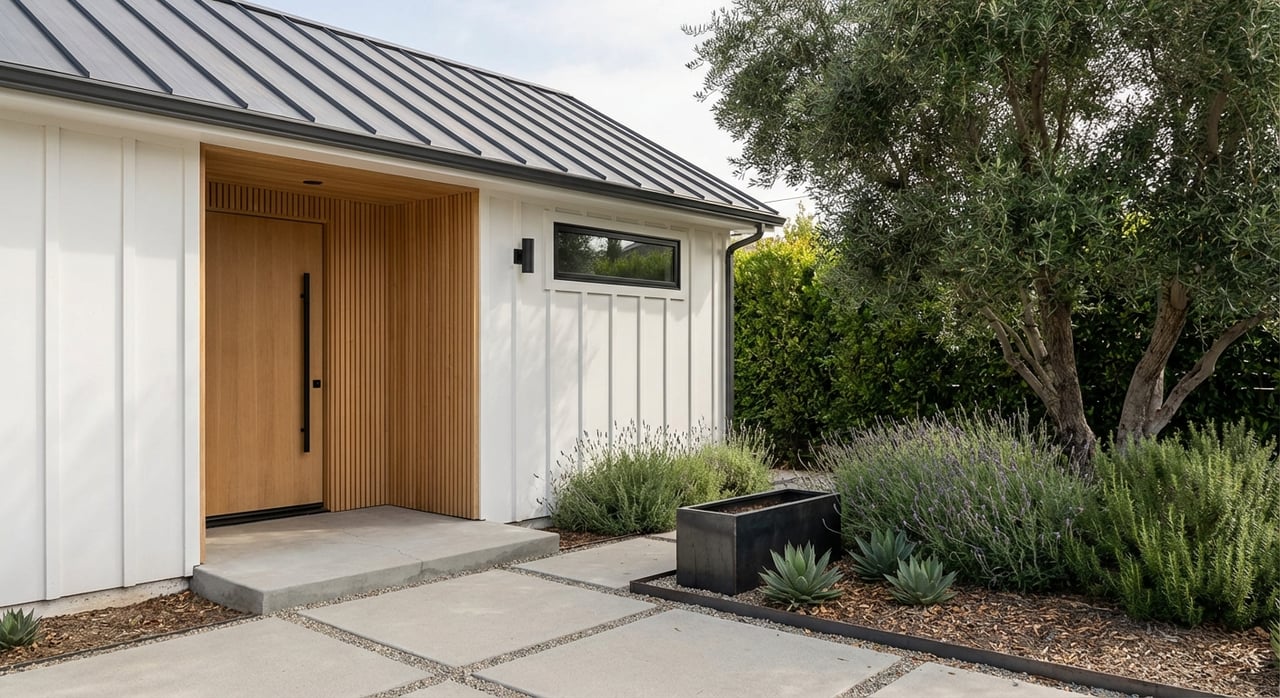
Thinking about trading your large Tulsa home for something easier to maintain, but want to stay close to the people and places you love? If Thousand Oaks is on your radar, you are not alone. Many longtime owners in this south Tulsa neighborhood are choosing smaller, low‑maintenance homes that still keep daily life simple. In this guide, you will learn where downsizers are finding the right homes, what costs to expect, and how to time your sale and purchase with less stress. Let’s dive in.
Thousand Oaks at a glance
Thousand Oaks sits in south Tulsa’s 74137 ZIP with mature, tree‑lined streets and winding roads. It is a recognized neighborhood within the Jenks school district. For a quick neighborhood overview and map context, review the Thousand Oaks profile on Statistical Atlas.
Recent market snapshots show typical home values in 74137 in the low to mid $400,000s, which is above the broader Tulsa city median. That price gap reflects larger lots, custom homes, and convenient access to shopping and dining corridors many residents value. If you want to stay local while reducing upkeep, you will find options across single-level homes, condos, and smaller detached homes.
Downsizing home types in Thousand Oaks
Single-level or main-floor-primary homes
Many older custom homes in and around Thousand Oaks were built with single-level layouts or a primary suite on the main floor. If you want to age in place and reduce stair use, these plans are worth targeting. You may still have a private yard, but with less day‑to‑day hassle than a larger estate lot.
Condos and townhomes in gated communities
Gated condo and townhome communities in 74137 offer the most low‑maintenance living. Typical units range from about 1 to 3 bedrooms and often 700 to 1,300 square feet. Monthly HOA fees usually cover exterior maintenance, common-area landscaping, a pool or clubhouse, and sometimes utilities like water or trash. You trade yard work for a predictable monthly fee and simpler living.
Smaller detached “patio” homes
If you prefer a single‑family home feel without a big yard, smaller detached homes around 1,500 to 2,200 square feet appear in the area. Inventory is thinner than condos, but these can be a smart middle ground. Look for single-level layouts or low‑maintenance lots when you search.
What you could save each month
Downsizing affects both recurring costs and one‑time expenses. Here is how to model it.
Property taxes
Oklahoma’s effective property tax rates are relatively low compared with many states. Local tax bills vary by assessed value and taxing jurisdictions, which together set the final millage for a parcel. For state context, see the Oklahoma profile from the Tax Foundation.
In Thousand Oaks, large homes often show annual tax bills in the ballpark of 5,000 to 7,000 dollars on 500,000 to 800,000 dollar valuations, while nearby condos may show 1,000 to 2,000 dollars on 150,000 to 200,000 dollar units. Actual taxes depend on the property, so ask for the current statement when you tour.
If you are 65 or older, review Tulsa County’s Senior Valuation Limitation program, which can freeze the taxable value if you meet income and other eligibility rules. Get the details and timelines on the Tulsa County Assessor’s Senior Freeze page.
HOA fees vs. yard, pool, and roof costs
Many condo and townhome HOAs in 74137 run in the 300 dollars per month range. That fee often covers exterior maintenance, roof, common-area landscaping, and amenities. If you are leaving a larger lot with a pool, you may replace irregular lawn, pool, and roof expenses with a predictable HOA. Read the HOA budget, rules, and any pending special assessments before you commit.
Ongoing maintenance
A simple budgeting rule is to set aside about 1 percent of a home’s value each year for maintenance and repairs. That implies roughly 6,000 dollars annually for a 600,000 dollar home and about 1,800 dollars for a 180,000 dollar condo, before HOA-covered services. Use this as a starting point and fine‑tune with your own past invoices. For a helpful primer on prevention budgets, see this guide to annual upkeep from Renovett.
Utilities and energy
Oklahoma electricity rates and monthly bills are lower than many states, and a smaller home typically means less conditioned space and lower usage. Ask for 12 months of seller utility bills to understand seasonal swings before you buy. For local rate and bill context, review Public Service Company of Oklahoma data on FindEnergy.
One-time transaction and moving costs
Budget buyer-side closing costs around 2 to 5 percent of the purchase price. Add moving, storage, repairs, and any staging costs to your plan. These upfront items can offset near‑term savings, so build a simple net‑cash model before you list. For a consumer overview of typical closing costs, see this guide on Jolt Journal.
Plan your timing
Spring, especially March through June, often brings more buyer activity and faster sales. Fall and winter can offer more room to negotiate. Interest rates and local inventory can shift the best window, so watch the market and build flexibility into your plan.
Option 1: Sell first, then buy
Pros: You avoid carrying two mortgages, and your equity is available for the down payment. Cons: You may need temporary housing or a short rent‑back after closing. A rent‑back lets you stay for an agreed period, with clear terms on rent, utilities, deposit, and liability. Work with your agent and lender to align timing and insurance requirements.
Option 2: Buy first, then sell
Pros: You control timing and can move once. Cons: You need financing capacity to hold two homes or use short‑term tools like a bridge loan or HELOC. Some specialty services help buyers “buy before you sell” for a fee. Learn how these programs work on Homeward’s Real Estate 101 and compare costs with your lender.
Option 3: Make a contingent offer
A home-sale contingency protects you if your current home does not sell on schedule, but it can weaken your offer in a competitive situation. A quick overview of how contingencies work is available from NerdWallet. Your agent can help you decide if a contingency is realistic for the specific property and season.
A simple downsizing roadmap
Use this checklist to prepare, keep decisions clear, and protect your budget.
3 to 6 months before listing
- Gather 12 months of utility bills, your current property tax statement, HOA documents, recent repair receipts, and any floor plans or measurements.
- Start a room‑by‑room declutter plan. Sort into keep, donate, sell, and storage.
- Identify quick, high‑return fixes like paint, lighting updates, minor kitchen or bath refreshes, and basic landscaping. Price each item and weigh cost versus potential sale‑price impact.
Build your net‑proceeds model
- Ask your agent for current Thousand Oaks comps and a conservative pricing range.
- Estimate closing costs, moving expenses, and a short‑term housing budget if you sell first.
- Include HOA fees and utilities for any condo or townhome you are considering.
Decide on timing and terms
- Compare selling first, buying first, and contingency paths. Run a worst‑case and best‑case scenario for each.
- If you may need a rent‑back, outline maximum days, rent amount, deposit, utilities, and liability terms so your agent can negotiate early.
- Talk with your lender about a HELOC or bridge option if you plan to buy first.
House-hunting criteria for your smaller home
- Single‑level or main‑floor primary and minimal stairs.
- Low yard maintenance or an HOA that covers exterior.
- Covered parking and secure storage.
- Elevator access if considering an upper‑floor condo.
- Proximity to daily needs like groceries and pharmacies.
- HOA rules on pets, rentals, and alterations if buying into a community.
Smart questions to ask
- What are the annual property taxes, and which taxing jurisdictions apply? Ask for the tax bill breakdown.
- What does the HOA fee cover, and are any special assessments planned?
- Can the seller provide 12 months of utilities and recent maintenance invoices?
- For a rent‑back, what limits will the buyer’s lender and insurance place on length and terms?
- If you are 65 or older, could you qualify for the Tulsa County Senior Valuation Limitation, and how would a sale or purchase affect it? Review the Assessor’s guidance before you list.
When you weigh the options, the biggest levers for most Thousand Oaks downsizers are property taxes, maintenance and utilities on a smaller footprint, and whether an HOA tradeoff fits your lifestyle. With a clear timing plan and a solid net‑proceeds worksheet, you can right‑size with confidence and less stress.
Ready to talk strategy for your next move or get a pricing plan for your current home? Connect with Sean Curts & associates to request a Free Home Valuation and a step‑by‑step downsizing game plan.
FAQs
What types of downsizing homes are common in Thousand Oaks, Tulsa?
- You will often find single‑level or main‑floor‑primary homes, gated condos and townhomes around 700 to 1,300 square feet, and occasional smaller detached “patio” homes.
How much are HOA fees for 74137 condos and townhomes?
- Many local communities post HOA dues in the 300 dollars per month range, often covering exterior maintenance, roof, common‑area landscaping, and amenities.
How much could I save on property taxes by downsizing locally?
- Many larger homes show taxes around 5,000 to 7,000 dollars per year, while nearby condos often show 1,000 to 2,000 dollars, though each parcel varies by assessed value and taxing jurisdictions.
What is the Tulsa County Senior Valuation Limitation (Senior Freeze)?
- It is a program that can freeze the taxable value for qualifying owners age 65 and older who meet income and other rules; see the Assessor’s page for eligibility and deadlines.
When is the best time to list a Thousand Oaks home if I plan to downsize?
- Spring often brings more buyers and faster sales, while fall and winter can offer more negotiation room; rates and inventory can shift the best window, so watch current conditions with your agent.