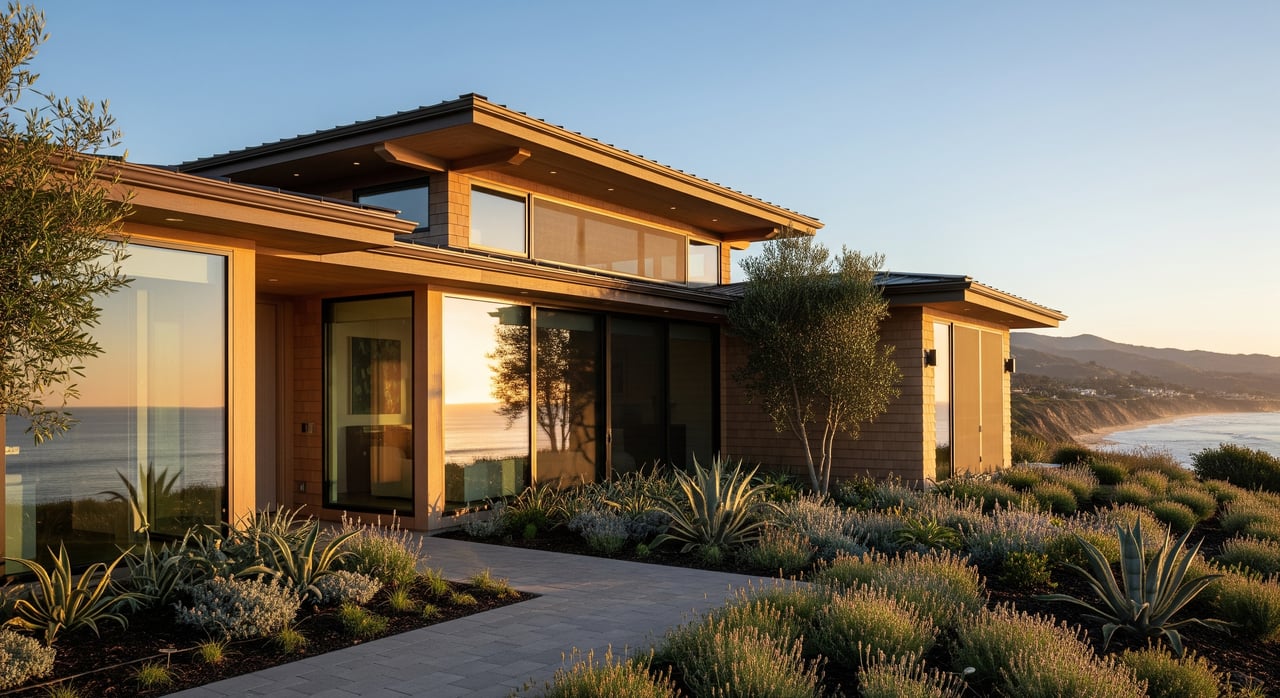
Salt air on the beach, dry heat in the hills, and cool shadows in the canyons can sit just minutes apart in Malibu. If you own here, that mix shapes how long finishes last, how your landscape grows, and how you plan for winds and wildfire. You want your home to look great and perform well without constant surprises.
This guide shows you how Malibu’s microclimates affect materials, landscaping, HVAC, pests, and seasonal care. You will learn what to use, what to watch, and when to schedule maintenance. Let’s dive in.
Malibu microclimates at a glance
Malibu’s coastline, bluffs, steep canyons, and inland hills create distinct conditions over short distances. Coastal homes see steady temperatures, marine layer, and airborne salt that accelerates corrosion. Canyons can be warmer by day and cooler at night, with shaded pockets that trap moisture. Hillsides face high sun, faster drying, and more wind exposure.
Seasonal Santa Ana winds bring hot, dry, high winds that stress roofs, windows, and landscaping while increasing wildfire risk. For planning, think in three zones: coastal, canyon, and hillside. Each one asks for slightly different materials and maintenance.
For wildfire readiness and defensible space rules, review Cal Fire’s homeowner guidance on creating defensible space under PRC 4291 and local enforcement on the Cal Fire site.
Exterior materials that last here
Metals and fasteners
Salt air speeds corrosion. On coastal-facing exteriors, use marine-grade stainless steel (316) for exposed hardware where possible. Hot-dip galvanized or properly coated steel and anodized aluminum perform better than plain carbon steel outdoors. For decks and fences, select stainless or coated fasteners and check them during annual inspections.
Clean visible salt deposits and replace any corroded fasteners promptly. Expect shorter service life for unprotected metals right on the coast.
Paints, stains, and coatings
High UV on sun-facing elevations breaks down coatings faster. Choose high-quality exterior acrylics designed for coastal or high-UV exposure. Plan for more frequent inspections and touchups, especially near the ocean. Opaque paint protects exterior wood better than clear finishes; if you prefer a transparent look, set expectations for more frequent reapplication.
Siding, decking, and roofing
- Consider fiber-cement, stucco, or masonry where wildfire and ember exposure is a concern.
- Composite decking holds up better to moisture and salt than untreated wood, but confirm coastal suitability with the manufacturer.
- If using redwood or cedar, inspect and reseal more often in coastal or shaded canyon locations.
- Choose Class A fire-rated roofing in hillside or wildfire-prone areas. On the coast, select wind-rated roof systems with corrosion-resistant flashings and fasteners. FEMA’s Coastal Construction guidance explains why these choices matter near the ocean in its coastal construction resources.
Windows, doors, and openings
Use corrosion-resistant frames and hardware, and inspect sealants and flashing at least once a year. In higher wind or debris zones, tempered or laminated glass provides added protection. In wildfire-exposed areas, select ember-resistant vents and keep screens in good repair.
Landscape, irrigation, and wildfire
Plant selection that fits your microclimate
Choose native and drought-adapted plants that fit your site: salt-tolerant near the coast, lower-light tolerant in shaded canyon spots, and low-flammability species close to structures. For plant ideas and local natives, explore the California Native Plant Society’s Calscape database for site-appropriate natives.
Layer plantings to support defensible space. Keep the first 0 to 5 feet around structures lean and free of combustibles, then increase spacing and plant size outward. UC ANR offers practical guidance on fire-smart landscaping on its site.
Irrigation and drainage
- Prefer drip irrigation for shrubs and trees, and avoid overspray onto siding and fences.
- Adjust schedules seasonally. Marine layer can reduce water needs on the coast, while canyon and hillside areas often need more in summer.
- Improve drainage on slopes and near foundations. Use groundcover or terracing to slow erosion where needed. UC ANR’s California Garden Web has water management tips for home landscapes here.
Wildfire defensible space basics
Clear dead vegetation, prune ladder fuels, and keep roofs and gutters free of debris. Aim for well-spaced, well-watered plants and noncombustible surfaces near the home. Review statewide defensible space guidance and local enforcement details from Cal Fire.
HVAC, moisture, and pests
HVAC in salty or windy areas
Outdoor condenser units near the coast face salt corrosion. Use corrosion-resistant brackets and fasteners, and plan for regular rinse-downs. Service HVAC twice a year, before cooling season and before heating season, including coil cleaning, filter changes, and clearing condensate drains.
In canyon bottoms or tightly sealed homes with higher moisture, consider balanced ventilation or dehumidification to reduce mold risk.
Moisture and mold hot spots
Shaded canyon areas and poorly ventilated corners can trap moisture. Keep gutters clear, fix leaks quickly, and inspect crawlspaces, under-deck areas, and eaves at least once a year. Clean algae or mildew on exterior surfaces with appropriate cleaners and address the moisture source, not just the stain.
Termites and other pests
Termites are common across coastal Southern California. Schedule annual inspections and address conducive conditions such as wood-to-soil contact and chronic moisture. UC’s Integrated Pest Management program provides an overview of termite identification and control options in its Pest Notes.
Seasonal checklist for Malibu homes
Use this high-level list to stay ahead. Adjust tasks based on your microclimate and materials.
Spring
- Rinse salt from railings, outdoor furniture, lights, and glass on coastal properties.
- Service A/C: clean coils, change filters, and clear condensate lines.
- Clean gutters and downspouts. Inspect roofs, flashing, and chimneys.
- Inspect decks and reseal or recoat as needed.
- In canyons and hillsides, check drainage channels and retaining walls. Start defensible space cleanup.
Summer
- Watch for paint fading or chalking on sun-exposed sides and touch up early.
- Check irrigation schedules and test drip lines for clogs or leaks.
- Clear roof and gutters of plant debris and maintain defensible space.
- Before Santa Ana season, secure loose outdoor items and inspect door and window weatherstripping.
Fall
- Service heating equipment. Replace filters as needed.
- Inspect stucco and seal penetrations before winter rains.
- Protect outdoor equipment for storms and plan coating projects for cooler months.
Winter
- After storms, verify drainage, fix erosion, and clear gutters.
- Check crawlspaces and basements for moisture; ventilate or dehumidify as needed.
- Assess nearby trees and limbs. Repair any roof or siding damage promptly.
Inspection priorities by microclimate
- Coastal: corrosion on metals and fasteners, roof flashings, outdoor electrical, salt build-up on glazing and pool equipment.
- Canyon and shaded areas: mold or mildew, crawlspace moisture, under-deck ventilation, termite evidence.
- Hillside and exposed slopes: slope stability, erosion, wildland fuel management, roof and ember protection.
Permits and planning before you start
Shoreline, bluff, and many exterior projects in Malibu sit inside the coastal zone. Confirm whether you need a coastal development permit with the California Coastal Commission’s CDP resources on their site. For local permits and plan checks, coordinate with the City of Malibu Planning & Building departments through the city site.
For major slope work, retaining walls, and structural changes, work with licensed civil, structural, or geotechnical engineers and follow Malibu and Los Angeles County requirements. FEMA’s Coastal Construction resources explain design considerations for wind, salt, and surf exposure on the FEMA site.
Budgeting for coastal and fire-exposed homes
A common planning range for routine maintenance is about 1 to 4 percent of home value per year. Homes right on the coast or in wildfire-exposed areas often need more frequent recoating, corrosion control, and defensible space work, so budget on the higher end. Replacement cycles for exterior metals and some mechanical components can be shorter in harsh exposures, so annual inspections help you anticipate costs.
Ready to tailor this to your property’s exact conditions? For a property-specific plan or to discuss how maintenance choices affect resale, reach out to your local real estate resource. If you are weighing improvements before a sale, connect with Sean Curts & associates to align your maintenance plan with market timing and Request a Free Home Valuation.
FAQs
What makes Malibu’s coast different from the canyons for home care?
- Coastal homes face more salt and humidity that speed corrosion, while canyons have greater temperature swings and shaded moisture pockets that raise mold and rot risk.
How often should I service HVAC near the ocean in Malibu?
- Service twice a year, with extra attention to coil cleaning and outdoor unit corrosion checks in salty, windy exposures.
Which plants work near the beach and support defensible space?
- Choose native, salt-tolerant, and low-flammability species close to structures, using resources like CNPS Calscape for plant selection and UC ANR for fire-smart spacing.
Do I need a permit for exterior work near the bluff or shoreline?
- Many coastal-zone projects require review, so confirm coastal development permit needs with the California Coastal Commission and the City of Malibu before starting work.
Where can I find official guidance on defensible space in Malibu?
- Cal Fire’s defensible space resources outline statewide requirements and best practices, which local agencies enforce and adapt to site conditions.
How can I confirm local weather patterns when choosing materials?
- NOAA’s National Centers for Environmental Information provides climate data for coastal Southern California that helps you gauge wind, temperature, and marine layer trends on the NCEI site.