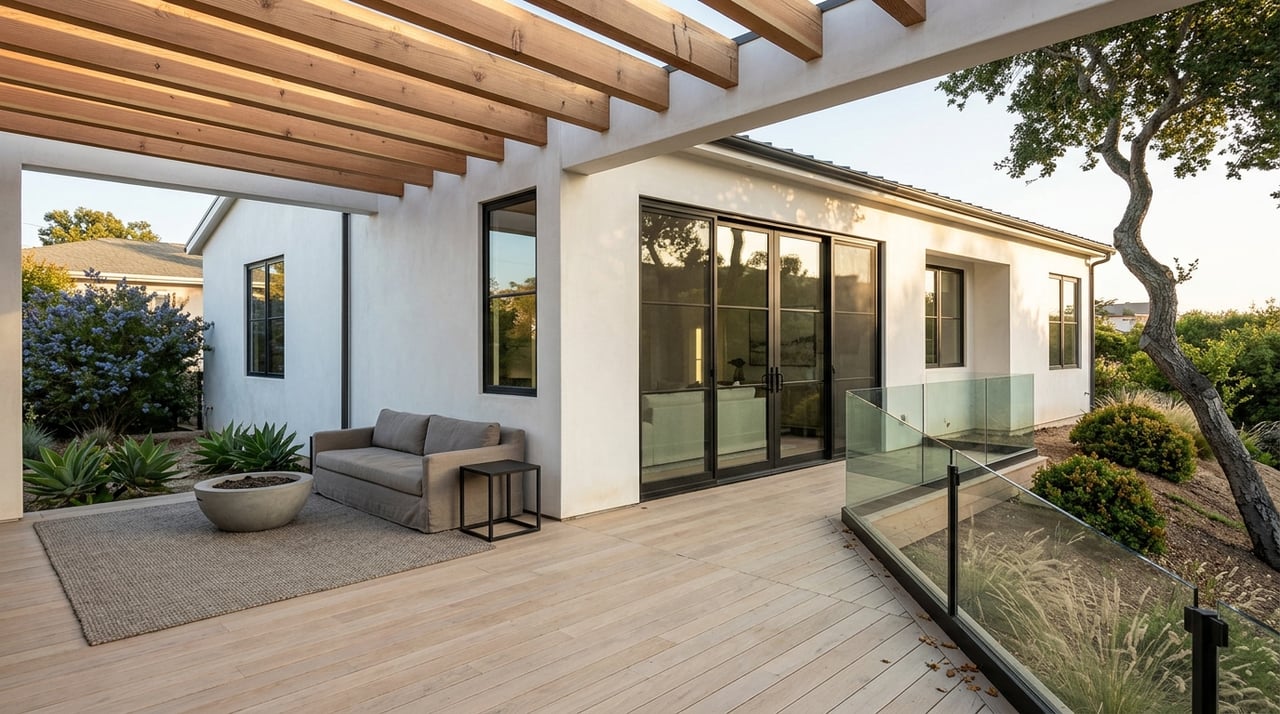
Trying to choose between the beach side of Malibu and its canyon roads? You are not alone. Malibu can look like one place on a map, but the day-to-day experience can feel very different depending on whether you live along the shoreline or tucked into the hills. This guide breaks down how oceanfront and canyon living compare, so you can better match your lifestyle, comfort level, and priorities to the right part of Malibu. Let’s dive in.
Why Malibu Feels So Different by Location
Malibu is shaped by both the Pacific Ocean and steep inland terrain. According to the city, more than 80% of Malibu is hillside area, and the entire city sits within the California coastal zone. That means both oceanfront and canyon properties are influenced by the same broader planning environment, but they respond to very different natural settings.
The city also describes Malibu as a place that aims to preserve beaches, canyons, hills, open space, views, rural character, and property-owner privacy. For you as a buyer or seller, that matters because the lifestyle difference is not just about scenery. It affects weather, access, recreation, privacy, and the way homes are designed.
Oceanfront Living in Malibu
Beach Access and Coastal Energy
If your Malibu dream starts with the sound of waves and easy access to the sand, oceanfront living is the clearest fit. Malibu’s public beach system includes places like Malibu Lagoon State Beach, Surfrider Beach, Zuma Beach, Point Dume State Beach, Nicholas Canyon Beach, and the Malibu Pier area.
That setting brings a more beach-centered rhythm to daily life. It also means you are living closer to areas that attract visitors, public activity, and beach recreation. For some buyers, that is exactly the appeal. For others, it is an important lifestyle consideration.
Cooler Weather and More Marine Influence
Oceanfront homes are more directly affected by the marine layer. Coastal weather patterns in Southern California often bring cooler air, morning clouds, fog, and the familiar May Gray and June Gloom conditions.
In practical terms, that usually means the shoreline feels milder and breezier than inland parts of Malibu. If you prefer cooler temperatures and a stronger connection to the ocean climate, this can be a major advantage. If you want sunnier mornings and slightly warmer conditions, the canyon side may feel more comfortable.
Easier Access to Central Malibu
For everyday errands, the oceanfront and central Malibu side usually has the shortest drive to the Civic Center area. The city identifies Cross Creek Road as the main arterial in the Civic Center district, where many public facilities and community activities are centered.
This area also includes shopping and restaurant uses around the community commercial core. Malibu is not an urban walk-everywhere environment, but homes near central coastal Malibu generally offer more convenient access to shopping and casual dining than homes deeper into canyon areas.
Coastal Design and Planning Rules
Oceanfront homes are often shaped by view preservation and beachfront development standards. Malibu’s housing and planning documents include specific standards for beachfront lots, including setback and height rules that differ from more typical inland parcels.
The city also has a formal process related to primary views and view preservation. That helps explain why many oceanfront homes feel especially view-oriented and carefully designed around indoor-outdoor living. The setting and the rules both push architecture in that direction.
Coastal Hazards to Understand
Oceanfront living also comes with direct exposure to shoreline conditions. The Malibu coast is affected by southerly swells, high surf, coastal flooding, and rip currents, and the city has identified sea-level rise, tidal inundation, storm flooding, and coastal erosion as long-term concerns.
That does not mean oceanfront ownership is not worth it. It means you should evaluate a property with a clear understanding of the shoreline environment, site conditions, and long-range planning realities.
Canyon Living in Malibu
More Seclusion and a Retreat Feel
Canyon living offers a very different side of Malibu. Instead of a public-facing beach environment, canyon areas tend to feel more tucked away and residential. That lines up with Malibu’s emphasis on privacy and preserving its rural character.
For many buyers, this is the version of Malibu that feels most like a retreat. You may trade immediate beach access for a quieter setting and a stronger sense of separation from the activity along the coast.
Warmer, Drier Daily Conditions
Canyon homes are generally less affected by the immediate marine layer. As coastal weather patterns shift inland, temperatures usually rise and conditions tend to feel a bit drier.
In everyday life, that often means canyon properties feel warmer and less foggy than homes right on the water. If you like bright mornings and less marine moisture, this part of Malibu may fit you better.
Strong Access to Trails and Mountain Recreation
If your ideal weekend includes hiking, biking, bird-watching, horseback riding, or exploring rugged terrain, canyon living has a strong advantage. Malibu Creek State Park offers hiking, fishing, mountain biking, rock climbing, and horseback riding.
The Backbone Trail adds another major recreation draw, stretching across ridges, hillsides, woodlands, creeks, and valleys. Solstice Canyon also gives residents access to a well-known canyon recreation setting from Pacific Coast Highway via Corral Canyon Road. This is the side of Malibu that reminds you the city is as much mountain landscape as beach town.
Terrain-Driven Homes and Access
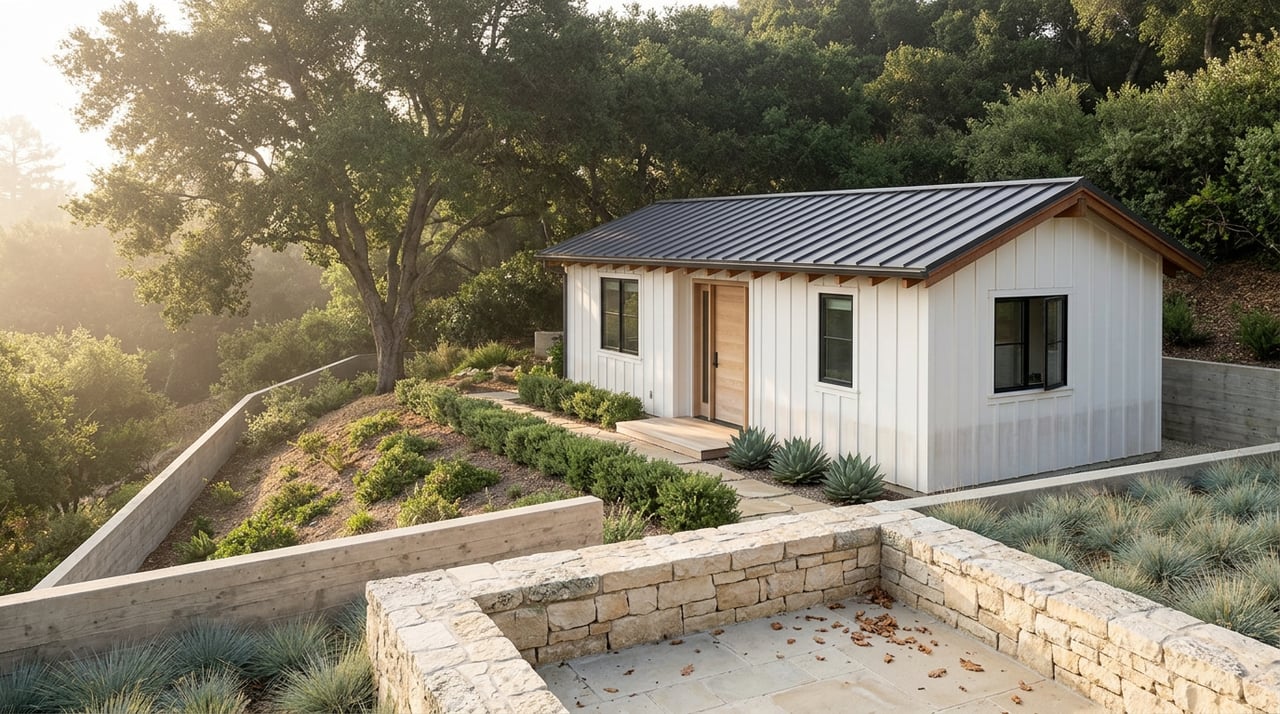
Canyon homes often need to adapt to hillside and slope conditions. In practice, that can mean longer driveways, stepped floor plans, split-level layouts, and more site-specific design choices.
That kind of layout can create dramatic settings and privacy, but it also means each property should be evaluated on its own access, topography, and usability. In canyon areas, the land itself often shapes the experience as much as the house does.
Wildfire and Slope Risks Matter
Malibu’s Safety Element states that nearly all of the city is within a Very High Fire Hazard Severity Zone. Hillside and canyon development is expected to address wildfire risk through design considerations related to access roads, fire breaks, and water supply for fire suppression.
The city also notes that small mudslides and rockslides occur regularly, and burned hillsides can be more vulnerable to debris flows after rain. If you are considering canyon living, it is important to be realistic and prepared about wildfire planning, access, and slope-related conditions as part of normal Malibu ownership.
Oceanfront vs Canyon: The Biggest Differences
Here is the simplest way to think about it: oceanfront Malibu is usually better for beach-centered living, while canyon Malibu is usually better for privacy and mountain recreation.
If you are deciding between the two, focus on how you want your days to feel. Do you picture morning marine air, surf access, and quicker trips to central Malibu? Or do you picture warmer afternoons, quieter roads, and trail access close to home?
Quick Comparison Checklist
Oceanfront Malibu may be a better fit if you want:
- Direct beach access and surf-oriented living
- Cooler, breezier, more marine-influenced weather
- Closer proximity to Malibu’s Civic Center area
- A home shaped by coastal view and beachfront planning rules
- A stronger connection to Malibu’s public coastal identity
Canyon Malibu may be a better fit if you want:
- A more secluded, retreat-like setting
- Warmer, drier conditions than the immediate coast
- Close access to hiking, biking, and mountain recreation
- A property with more terrain-driven privacy
- A lifestyle that feels more removed from beach activity
What Buyers and Sellers Should Keep in Mind
If you are buying in Malibu, the smartest choice usually comes down to lifestyle fit rather than simple price-per-square-foot comparisons. Oceanfront and canyon homes can both be exceptional, but they ask different things from you as an owner.
If you are selling, understanding those differences matters just as much. A beach-oriented buyer may care most about access, views, and proximity to central Malibu, while a canyon buyer may be drawn to privacy, setting, and trail adjacency. Positioning the property around the right lifestyle story can make your marketing much more effective.
Whether you are comparing two homes or preparing to bring one to market, local context makes a real difference in Malibu. If you want guidance tailored to your goals, connect with Sean Curts & associates.
FAQs
Which Malibu setting is cooler and foggier: oceanfront or canyon?
- Oceanfront Malibu is usually cooler and foggier because it is more directly affected by the marine layer.
Which Malibu setting feels more private: oceanfront or canyon?
- Canyon areas usually feel more private because they are more tucked into Malibu’s inland terrain and farther from beach activity.
Which Malibu setting is closer to shopping and dining?
- Oceanfront and central Malibu areas are generally closer to the Civic Center and Cross Creek commercial core.
Which Malibu setting is better for outdoor recreation?
- It depends on the activity: oceanfront is stronger for beach and surf access, while canyon living is stronger for hiking, biking, horseback riding, and trail access.
Which Malibu setting has more property risks to evaluate?
- Both do, but the main concerns differ: oceanfront homes face more coastal flooding, erosion, and sea-level-rise exposure, while canyon homes face more wildfire, mudslide, rockslide, and debris-flow considerations.