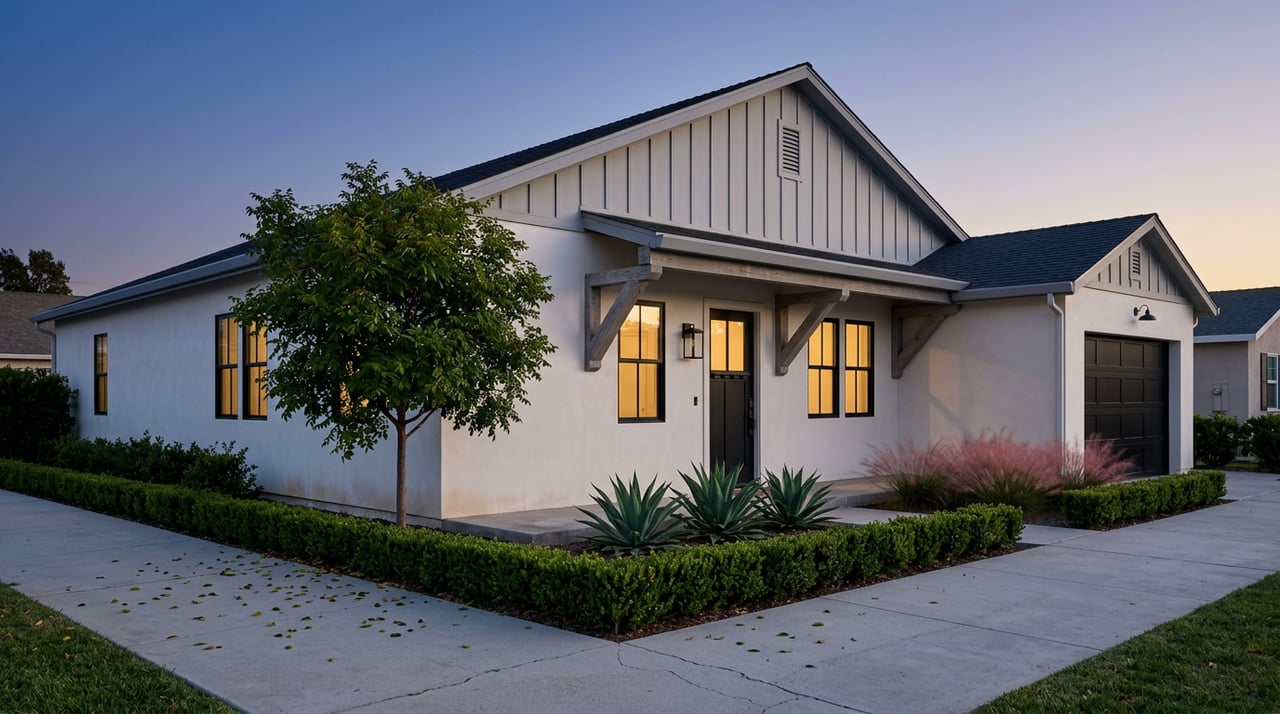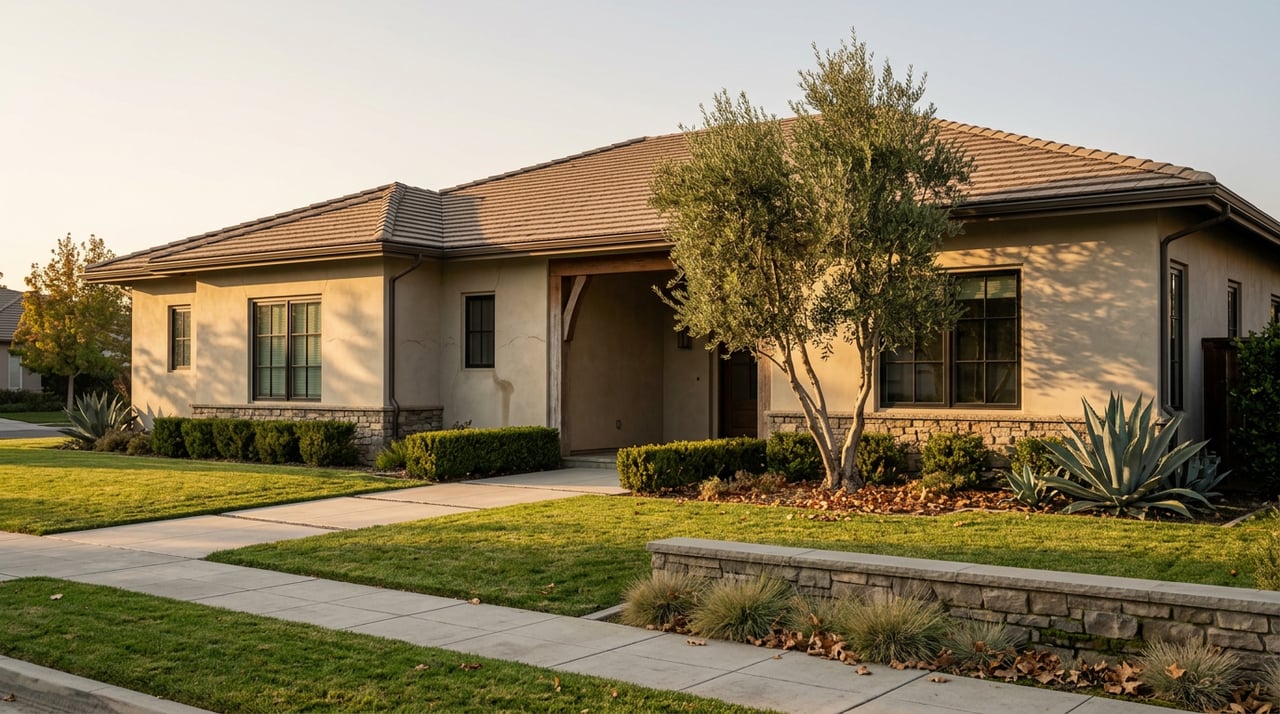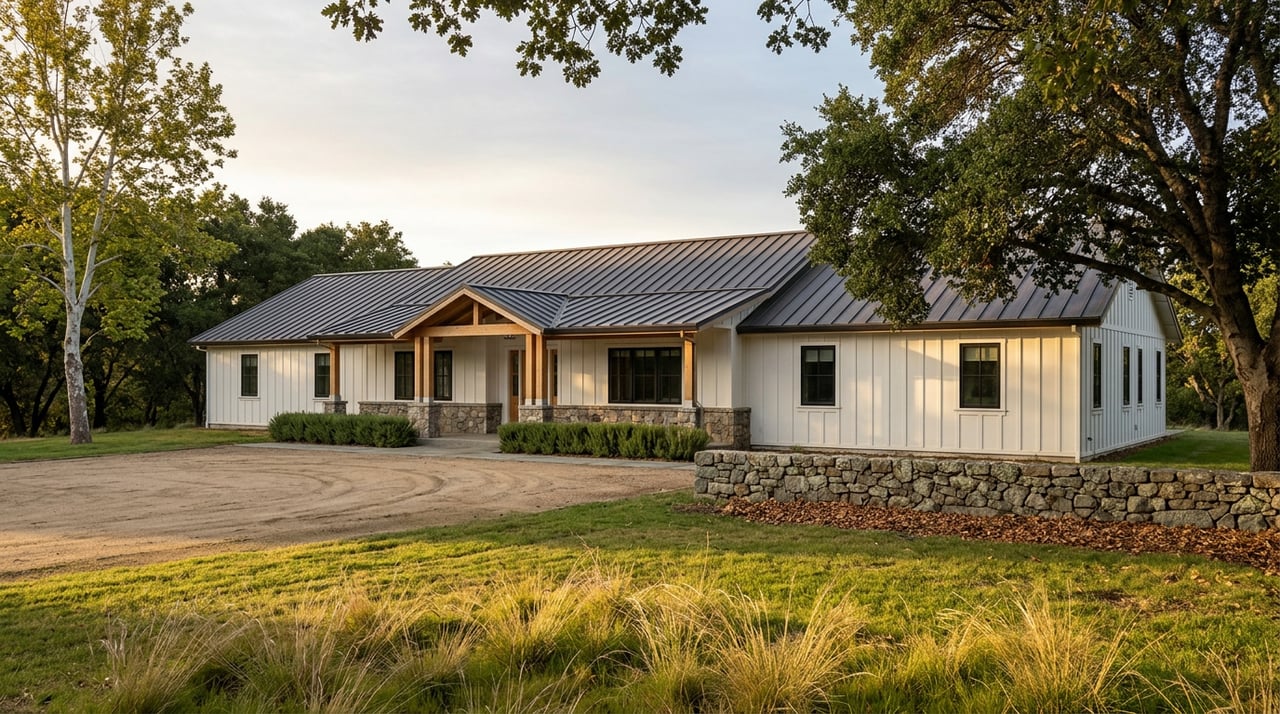
A buyer we spoke with this summer was three weeks into escrow on a four-bedroom home in Old Agoura when the septic inspection came back and stopped everything. The system worked fine. What slowed the deal was paperwork: no record of the last pump-out, no permit on file for a bedroom addition from the 1990s, and a lender who wanted both resolved before clearing to close. The buyer's first reaction was to ask whether the price should come down. It didn't. Three other offers were waiting behind hers.
That reaction, price should come down because septic is a hassle, is the instinct almost everyone brings into Old Agoura. It is also backwards. The same feature that adds friction to a transaction is the reason homes in this pocket of Agoura Hills routinely sell above the rest of the city.
The Assumption That Doesn't Hold Up
Septic systems read as a liability on paper. They require certified inspection, they can complicate a remodel or an ADU application, and they add a step to closing that a sewer-connected home never has to clear. Buyers coming from Calabasas or Westlake Village, where municipal sewer is standard, often expect that added friction to show up as a discount.
In Old Agoura it shows up as a premium instead. The reason is zoning, not charm. Most of Old Agoura was never built out with sewer infrastructure, and the city's own general plan describes it as the portion of Agoura Hills not fully served by sewer, with any future extension treated as a longer-term question rather than a current project. Without sewer, the city can't support the kind of lot subdivision that turns half-acre parcels into quarter-acre tracts. So the septic constraint and the large-lot character are the same policy, seen from two different angles. One keeps engineers busy during escrow. The other keeps the neighborhood from ever building its way into a denser, cheaper product.
What the Sewer Line Never Reached
Walk the difference in person and it's obvious. Newer Agoura Hills communities like Morrison Ranch, Lake Lindero, and Peacock Ridge sit on municipal sewer, which is part of why they were platted at tract-home density with smaller, more uniform lots. Old Agoura, along with the custom-lot pockets around it, kept half-acre to multi-acre parcels because the infrastructure that would have allowed tighter subdivision was never extended there. The city also maintains a design overlay specific to Old Agoura, meant to guide how homes and streetscapes evolve so the area keeps its rural, equestrian feel rather than gradually suburbanizing to match its neighbors.
That overlay isn't cosmetic. It's the planning mechanism that protects paddock space, barn setbacks, and the wide, unlandscaped road shoulders that let a horse trailer turn around. Buyers who want that character are not just paying for square footage. They're paying for a supply of land that the city has structurally limited from growing.
The Number the Median Hides
The citywide numbers make this easy to miss if you only look at the headline figure. Across Agoura Hills, the median sale price for the three months ending June 2026 was about $1.4 million, up 11 percent year over year, with the typical home taking around 47 days to sell and June 2026 sales volume down 7.3 percent compared to the same month the year before. That's a market where prices are climbing even as fewer transactions close, which usually means buyers are being more selective about where they're willing to compete.
As of mid-2026, Old Agoura's recent median sale price was running closer to $1.7 million, a meaningful step above the citywide figure. Blend that number into the Agoura Hills median and you lose the story. Old Agoura isn't competing with Morrison Ranch or Peacock Ridge for the same buyer. It's a smaller, slower-turning market where scarcity, not renovation quality or square footage, is doing most of the work on price.
Before You Write an Offer in Old Agoura
If you're shopping this neighborhood specifically, a few questions are worth settling before you're deep inside your contingency period:
- Is the home on septic, municipal sewer, or both, and when was the septic system last pumped and inspected?
- Are there permits on file for any additions, barns, or arenas, or did past owners build without them?
- If you're planning an ADU, will the property need to connect to sewer where it's available, or will it require a new or upgraded septic design reviewed by the county's environmental health division?
- Are there recorded easements for trail or bridle-path access crossing the parcel, and do they affect where you can build?
- Is the property served by a private well in addition to septic, and if so, what's its water testing history?
None of these questions should scare a buyer off. They should just move earlier in the process, ideally before an offer goes in, rather than surfacing as a surprise during escrow the way they did for the buyer we mentioned above.
The Trail That Just Opened
Last month, the city marked the completion of a project that quietly reinforces why this equestrian character keeps commanding a premium. On August 19, Agoura Hills held a ribbon-cutting for the Ladyface Greenway, a new stretch of park that caps a former flood-control channel along Agoura Road between Cornell Road and Whizin Market Square, adding a landscaped path for walkers, cyclists, and horseback riders.
Agoura Hills Mayor Jeremy Wolf called it a project that represents years of planning finally coming together, with equestrians among the first to try out the new trail at the dedication.
The Greenway connects into the same network of routes that Old Agoura riders already use through Cheeseboro Canyon and Palo Comado Canyon, and it does something the median price can't capture: it adds public infrastructure that makes horse-property ownership more usable, right as Old Agoura's inventory stays fixed by the zoning that has never allowed it to expand. Infrastructure investment landing on top of a capped supply is not a coincidence that shows up later in a price gap. It is the mechanism behind the price gap.
What This Means If You're Comparing Neighborhoods
If your search has you cross-referencing Old Agoura against Morrison Ranch, Lake Lindero, or Liberty Canyon, the honest way to think about it is that you're comparing two different products that happen to share a city name. The sewer-served tracts offer predictable maintenance, smaller lots, and a faster, more standardized closing process. Old Agoura offers land, privacy, and equestrian access that the city has structurally protected from disappearing, at the cost of an inspection and permit-history process that takes longer and asks more of both the buyer and the agent managing it.
Neither is the better market. They're priced for different buyers, and the price gap between them is not noise in the median. It's the clearest signal the data offers about what the zoning is actually protecting.
A Few Questions Worth Settling Early
Will Old Agoura ever get full sewer service? The city's general plan discusses it as a possibility worth exploring in the future, but there's no active project extending sewer through the neighborhood today. Buyers should plan around septic as the standard, not the exception.
Does being on septic hurt resale value in Old Agoura? The recent median sale data suggests otherwise. A well-documented, properly permitted septic system is simply part of what a buyer here expects, and it hasn't stopped the neighborhood from outpricing the rest of the city.
Can I keep horses on any Old Agoura property? Not automatically. Setbacks, paddock requirements, and permitted structures vary by parcel and are shaped by the city's design overlay along with slope and vegetation protections, so it's worth confirming permitted uses before assuming a property can support the equestrian setup you want.
If you're weighing Old Agoura's equestrian estates against a newer Agoura Hills tract, or trying to figure out what a septic system will actually mean for your timeline, Sean Curts can walk through the specific parcel, its permit history, and what a realistic close looks like before you write an offer. Request a free home valuation to start the conversation.